C
CONSNECTLtd.
Loading
Get the latest construction industry insights and platform updates delivered to your inbox.
© 2026 Consnect. All rights reserved.
Kigali is rewriting the blueprint for urban resilience. What was once the city’s primary industrial heartland, dominated by warehouses and factories, is now the site of Africa’s most ambitious urban wetland restoration project. The Gikondo Wetland, often referred to by the local landmark "Rwandex," is undergoing a total metamorphosis that balances environmental protection with modern urban living.
Redempta
7 months ago
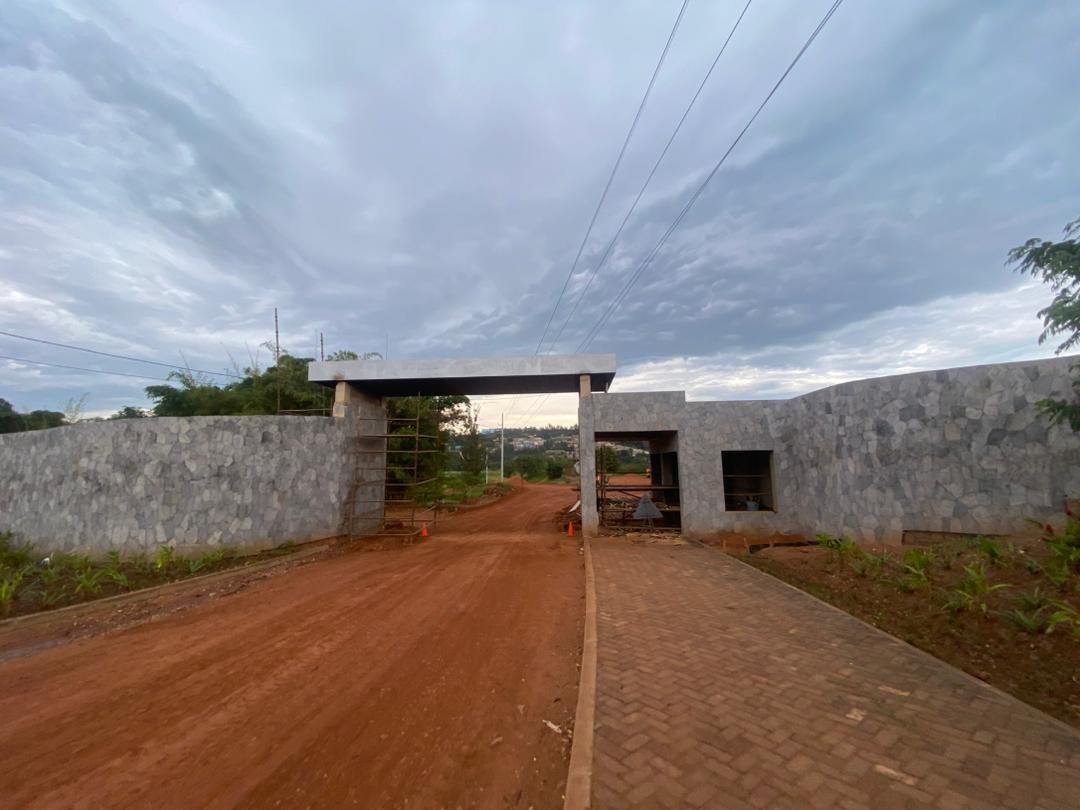
For years, the encroachment of industrial activities into the Gikondo valley weakened the city's natural ability to manage heavy rains. Today, the Rwanda Environment Management Authority (REMA), through the Second Rwanda Urban Development Project (RUDP II), is restoring the land’s original "sponge" function.
By clearing industrial waste and re-introducing native vegetation, the wetland is being prepared to absorb excess stormwater, protecting over 220,000 residents in downstream neighborhoods from the devastating risks of flash flooding.
The Gikondo site is not just a conservation zone; it is designed to be a vibrant public space. According to the latest project blueprints, the park will feature:
16.9 kilometers of pedestrian and cycling paths: Powered by solar lighting for evening commutes and exercise.
Eco-Tourism Amenities: Plans include open-air libraries, refreshment kiosks, and recreational islands within newly constructed water ponds.
Biodiversity Revival: The restoration has already seen the return of local bird species and aquatic life, creating a "natural classroom" in the middle of the city.
As of early 2026, the rehabilitation of Kigali’s five major wetlands—including Gikondo, Nyabugogo, and Kibumba—has reached approximately 78% completion. While the heavy hydraulic works and landscaping are nearing their final phases, the official public unveiling is expected by April 2026.
This timeline ensures that the new ecosystems, waste traps, and water catchment ponds are fully tested and functional before they open to the millions of visitors expected to enjoy these green corridors annually.
The project is a testament to the idea that "green is good for business." Beyond the 12,000 jobs created during the construction phase, the Gikondo wetland will serve as a platform for local entrepreneurs in the tourism, hospitality, and service sectors. By reducing flood-related infrastructure damage—estimated to save the city up to $90 million—the project secures the long-term economic stability of the surrounding business districts.
 - Copy.jpeg)
.jpeg)
.jpeg)
.jpeg)
“True urban resilience isn't built with concrete alone—it is strengthened by restoring nature to the heart of our city.”
— Juliet Kabera, Director General of REMA
As Kigali continues its journey toward becoming a climate-resilient capital, the Rwandex/Gikondo wetland stands as a powerful symbol of renewal, proving that nature and urban development can thrive side-by-side.
Sign in to share your thoughts and engage with the community