
C
CONSNECTLtd.
Loading
Get the latest construction industry insights and platform updates delivered to your inbox.
© 2026 Consnect. All rights reserved.
The City of Kigali has officially suspended the approval of new detailed physical plans for residential sites to combat land speculation and ensure the development of existing zones. Recent assessments revealed that over 64,000 plots in already approved areas remain idle, with a city-wide development rate of only 37%. City officials, led by Mayor Samuel Dusengiyumva, have introduced new guidelines that will set strict timelines for landowners to develop their properties or risk losing them, as the city transitions into Phase 2 of the Kigali Master Plan 2050.
Redempta
9 months ago
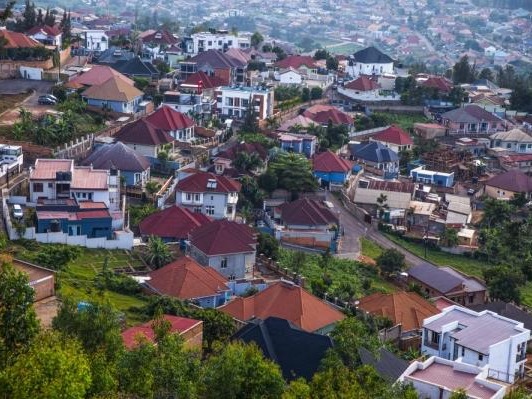
On Wednesday, January 21, 2026, Kigali city officials announced a strategic shift in urban development policy. The decision to halt new approvals is rooted in a significant backlog of undeveloped land. Out of 103,000 plots currently included in approved physical plans, only 37% have been built upon.
Vice Mayor Fulgence Dusabimana noted that while some sites have reached 70% development, others languish as low as 14%. "We want these land plots to be developed first to avoid speculation," Dusabimana stated, warning that landowners who fail to develop their plots within set timelines risk legal repercussions and potential loss of land.
Idle Plots: 64,890 undeveloped residential plots.
Total Planned Plots: 103,000 plots across 50 approved physical plans.
Phase 1 Shortfall: Only 49% of the 8,300 hectares designated for Phase 1 (2019–2024) have completed physical plans.
Permit Discrepancy: Approximately 6,200 building permits were issued in areas lacking detailed physical plans between 2021 and 2024.
To address these challenges, Mayor Samuel Dusengiyumva revealed that the city will deploy updated technology to monitor plan implementation. The goal is to ensure that infrastructure—such as roads, water, and electricity—aligns perfectly with actual land use before more resources are committed.
The new guidelines will include:
Development Timelines: Mandatory windows for construction once a physical plan is approved.
Infrastructure-First Policy: Prioritizing sites where the budget for public services (drainage, lighting, transport) is already secured.
Corrective Reviews: Addressing the 19 out of 30 approved physical plans that currently conflict with the city master plan (e.g., plots in wetlands or landslide-prone zones).
Kigali is now entering Phase 2 (2025–2031) of the Master Plan 2050. This phase aims to correct the "unplanned" growth seen in Phase 1, where delays in demarcation led to buildings being erected without proper alignment with sectoral master plans for energy and water.
Officials emphasize that this "pause" is a necessary step to ensure the long-term vision of a modern, inclusive, and environmentally protected city is realized without wasteful resource allocation or future expropriation costs.
Sign in to share your thoughts and engage with the community