
C
CONSNECTLtd.
Loading
Get the latest construction industry insights and platform updates delivered to your inbox.
© 2026 Consnect. All rights reserved.
The project to construct and upgrade the road connecting the City of Kigali to Muhanga District continues to attract significant attention as one of the major developments that could transform the country’s transport system and economy. This road is heavily used by vehicles carrying passengers and goods, and it plays a vital role in linking the capital city with the Southern Province as well as other parts of the country. However, despite its importance to many people, its current condition no longer matches the growing number of users, which is why there are ongoing plans to expand and modernize it.
Ndagijimana Emmanuel
6 months ago
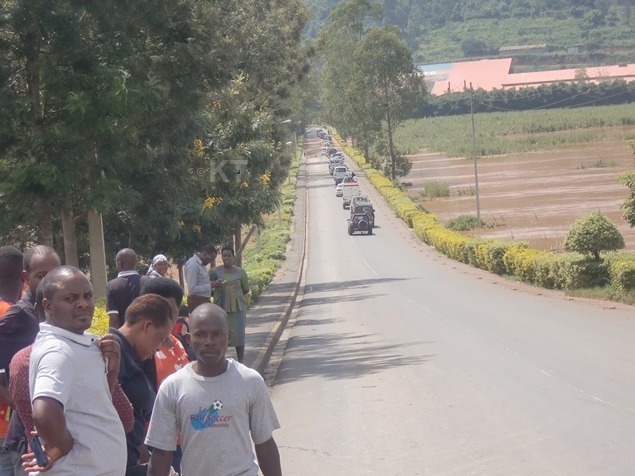
Information from infrastructure authorities indicates that this road will be constructed to modern standards, with dual carriage lanes designed to meet current transport demands, allowing vehicles to travel in different directions without congestion. It is expected to have a length of between 50 and 55 kilometers, stretching from the City of Kigali to Muhanga and passing through various areas known for business and agricultural activities.
A special lane will also be designated for heavy trucks transporting goods from the Southern Province to Kigali City. In addition, the road will include street lighting, modern traffic signs to assist road users, and dedicated spaces for pedestrians and cyclists where possible.
This project will be implemented in several phases, beginning with a detailed feasibility study to determine how the road will be built and the benefits it will generate. This will be followed by land preparation, including the relocation of residents and infrastructure located along the planned route, before the actual road construction begins. All of this will require close cooperation between the government, international development partners, and citizens who may be affected by the project.
Regarding the budget, it is estimated that the project could cost between RWF 180 billion and RWF 250 billion, depending on the scale of the works and all necessary requirements, including construction materials, relocation activities, and compensation for displaced residents. These funds are expected to come from the national budget, grants, and loans from various development partners.
Statistics show that this road is used by more than 20,000 people every day, making it one of the busiest roads in the country. Once expanded and upgraded, travel time is expected to reduce significantly, with the journey from Kigali to Muhanga decreasing from more than two hours to between one hour and one hour forty minutes. Besides easing travel, the road is also expected to increase the movement of goods by up to 30%, thereby boosting trade and economic activity.
Road accidents are also projected to decrease by more than 40%, thanks to safety-focused construction standards such as clearly marked lanes, sufficient road signs, and road width that matches traffic demand. This will help protect the lives of road users while reducing losses caused by accidents.
Economic analysts state that constructing this road will play a major role in accelerating development in surrounding districts. It will simplify trade between Kigali and the Southern Province, helping farmers deliver their produce to markets more quickly and efficiently. It will also support the growth of industries and tourism, as travel becomes easier and faster.
However, challenges may still arise, including the time required to relocate residents and infrastructure along the road corridor, as well as rising global prices of construction materials. These issues require strong planning and careful management to ensure successful completion of the project.
Overall, the Kigali–Muhanga road construction project is seen as a major step forward in Rwanda’s infrastructure development journey. It will improve transportation, reduce travel time, increase trade, and enhance the livelihoods of citizens, making it one of the key pillars of the country’s sustainable development.
Sign in to share your thoughts and engage with the community