
C
CONSNECTLtd.
Loading
Get the latest construction industry insights and platform updates delivered to your inbox.
© 2026 Consnect. All rights reserved.
As Kigali’s population is projected to more than double by 2050, the City of Kigali is deploying satellite imagery and drone technology to protect the 22% of land reserved for agriculture. To combat illegal encroachment and ensure food security, officials are mandating vertical housing developments and strictly enforcing the Master Plan. Experts warn that without these high-tech monitoring systems and a shift in construction habits, Rwanda risks exhausting its arable land within the next three decades.
Redempta
9 months ago
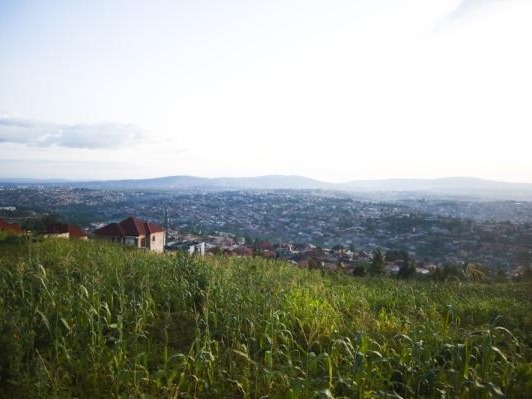
Facing a surge in unauthorized construction, the City of Kigali is moving beyond traditional inspections. Mayor Samuel Dusengiyumva revealed a sophisticated monitoring strategy that combines satellite imagery with drone surveillance to detect land-use violations in real-time.
The Impact: Since mid-2024, satellite monitoring has already flagged over 4,000 illegal structures that bypassed the City Master Plan.
Verification at Your Fingertips: To prevent citizens from unknowingly buying protected land, the National Land Authority (NLA) has digitized land-use data, accessible via the *651# USSD code or the national geodata portal.
While residential land currently holds a higher market price per square meter, Vice Mayor Fulgence Dusabimana predicts a shift in value. As urbanization accelerates, the 22% of land earmarked for farming will become the city's most vital asset.
Food Security: With Rwanda's population expected to hit 23 million by 2050, these zones are essential "food baskets."
Carbon Credits: Managed forests and agricultural zones may soon generate direct income for landowners through carbon sequestration incentives.
Environmental Health: These spaces act as the "lungs" of the city, providing essential clean air and temperature regulation.
To house a population expected to reach 3.8 million by 2050 without consuming every acre of farmland, the Ministry of Infrastructure is pivoting toward mandatory vertical housing.
"Vertical building is the only solution—accommodating more people on a smaller piece of land to ensure we don't run out of arable space by 2050."
— Jean Baptiste Nsengiyumva, Senior Research Fellow
MetricCurrent Status2050 ProjectionKigali Population1.7 Million3.8 MillionTotal Arable Land (National)1.4 Million HectaresUnder Severe PressureAgriculture Export Goal—$1.5 Billion
The National Land Authority (NLA) has issued a stern warning: subdividing agricultural or forested land for residential use is strictly prohibited. Director General Marie-Grâce Nishimwe emphasized that building access roads or demarcating plots on protected land is an illegal attempt to force land-use changes. The message to investors and residents is clear: check the Master Plan before you buy, or risk losing your investment to the city's high-tech "eye in the sky."
Sign in to share your thoughts and engage with the community