
C
CONSNECTLtd.
Loading
Get the latest construction industry insights and platform updates delivered to your inbox.
© 2026 Consnect. All rights reserved.
The Ministry of Infrastructure has unveiled a landmark dual reform: the 2025 National Urbanisation Policy and KUBAKA, a next-generation digital permit platform. These initiatives aim to drive Rwanda toward its 70% urbanisation target by 2050, replacing outdated systems with a streamlined "zero-trip" digital experience while ensuring that city growth is climate-resilient, coordinated, and economically inclusive.
Redempta
8 months ago
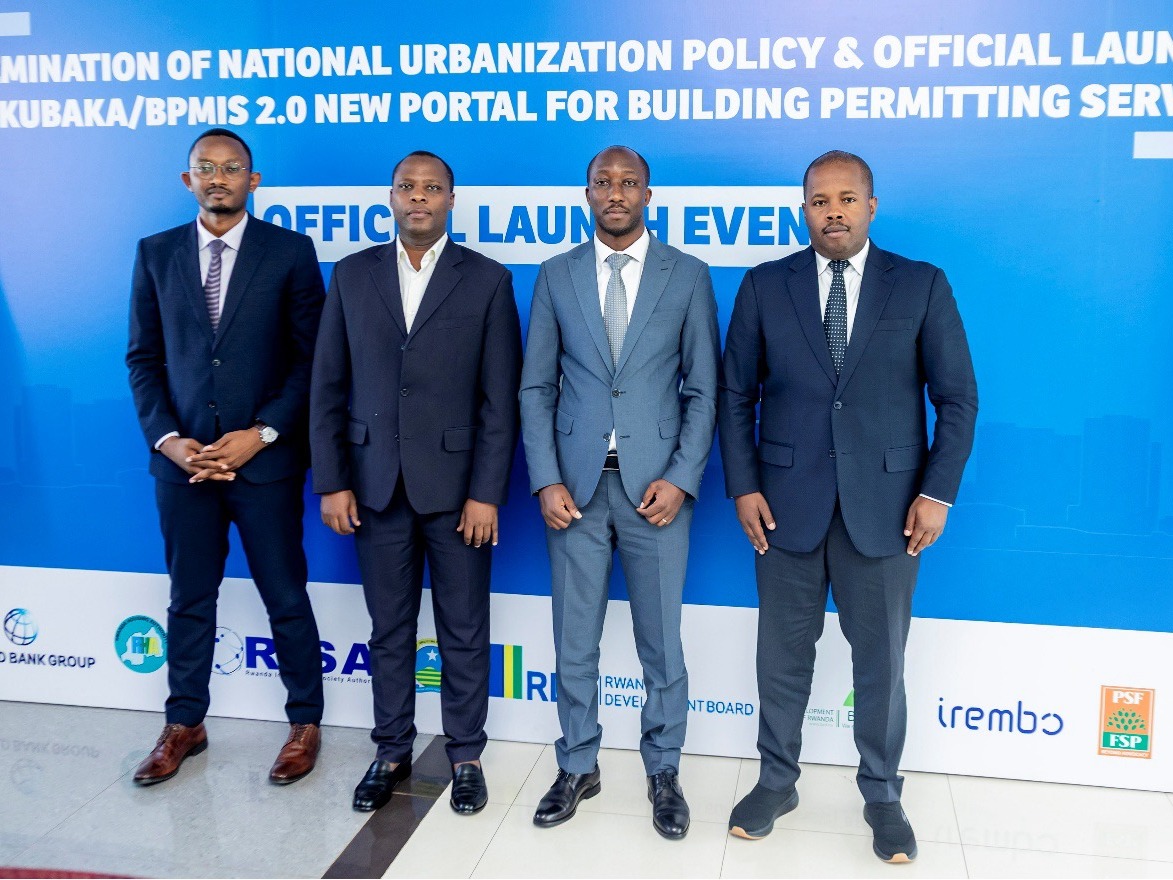
Kigali, Rwanda — The Ministry of Infrastructure (MININFRA) has officially entered a new era of urban management with the launch of the 2025 National Urbanisation Policy and the KUBAKA digital platform. Developed to align with the Second National Strategy for Transformation (NST2) and Vision 2050, these tools represent a fundamental shift toward "Smart Growth" and citizen-centered service delivery.
The new policy updates the 2015 framework to address modern challenges like climate change and land scarcity. It is anchored by four strategic pillars:
Coordination: Streamlining efforts between government, the private sector, and civil society to ensure budget alignment and unified planning.
Densification: Maximizing land-use efficiency to prevent urban sprawl and promote compact, manageable city layouts.
Liveability: Enhancing the quality of life through better access to green spaces, social services, and safe, climate-resilient neighborhoods.
Economic Growth: Transforming cities into hubs of opportunity that create high-value green jobs and foster robust local economies.
Replacing the Building Permit Management Information System (BPMIS) used since 2016, KUBAKA (available at kubaka.gov.rw) is more than just an upgrade—it is a complete architectural overhaul.
Key Features of the KUBAKA Platform:
Zero-Trip Process: Integrated with third-party government systems (such as land and ID registries) to eliminate the need for physical office visits.
Landowner Autonomy: For the first time, property owners can personally track application status in real-time alongside their architects and engineers.
Smart Integrations: Automated checks ensure projects comply with master plans and environmental requirements before submission.
Diverse Services: Supports permits for new construction, renovations, demolitions, and occupancy, all within a single intuitive interface.
Minister of Infrastructure, Dr. Jimmy Gasore, noted that this launch is critical as Rwanda targets an urbanisation rate of 52.7% by 2035 and 70% by 2050. By shifting focus toward satellite and secondary cities, the policy aims to ease the pressure on Kigali while creating balanced development across the country.
Supported by the Rwanda Information Society Authority (RISA), the rollout includes a nationwide outreach campaign to ensure every citizen, from local builders to international investors, can navigate the new digital landscape.
Sign in to share your thoughts and engage with the community