
C
CONSNECTLtd.
Loading
Get the latest construction industry insights and platform updates delivered to your inbox.
© 2026 Consnect. All rights reserved.
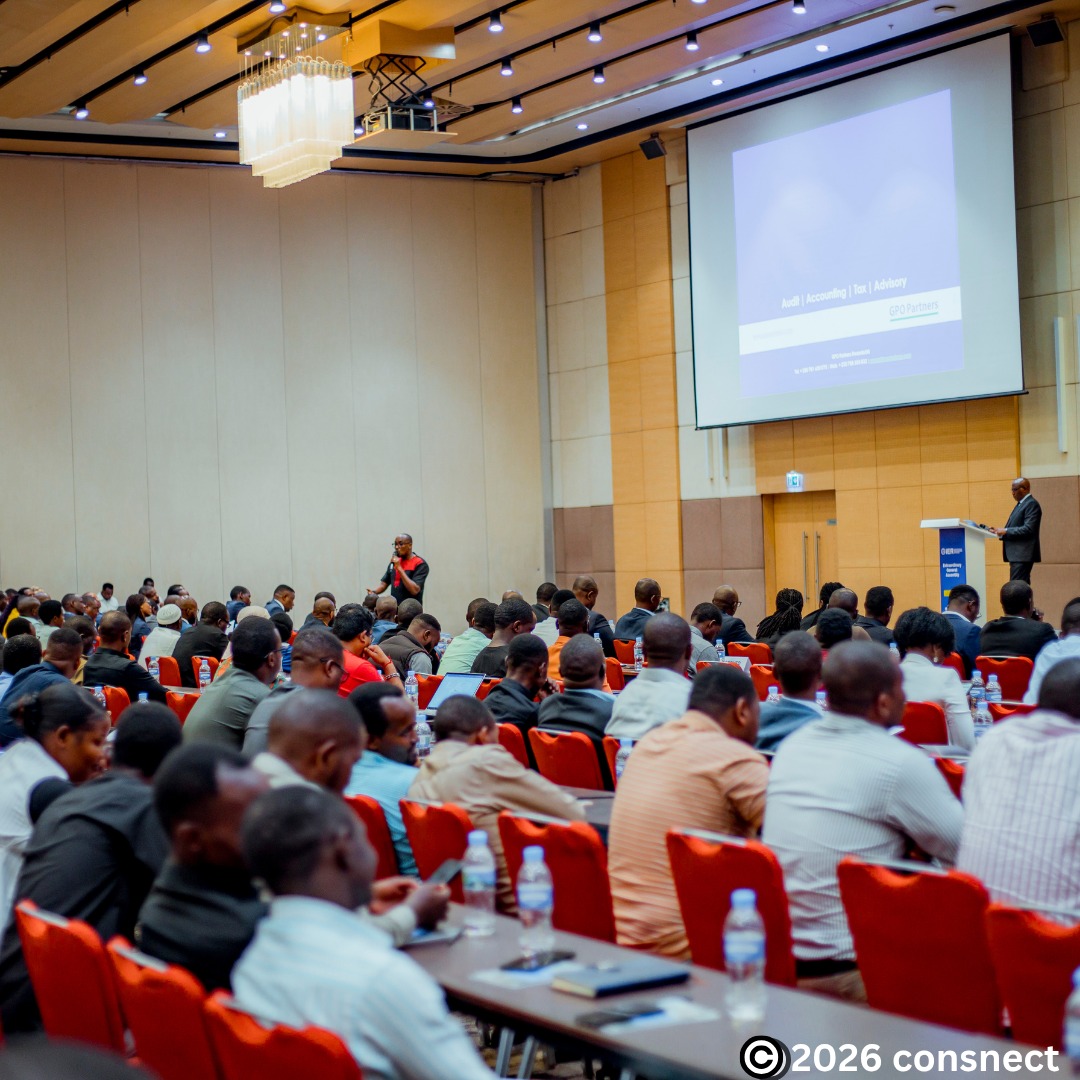
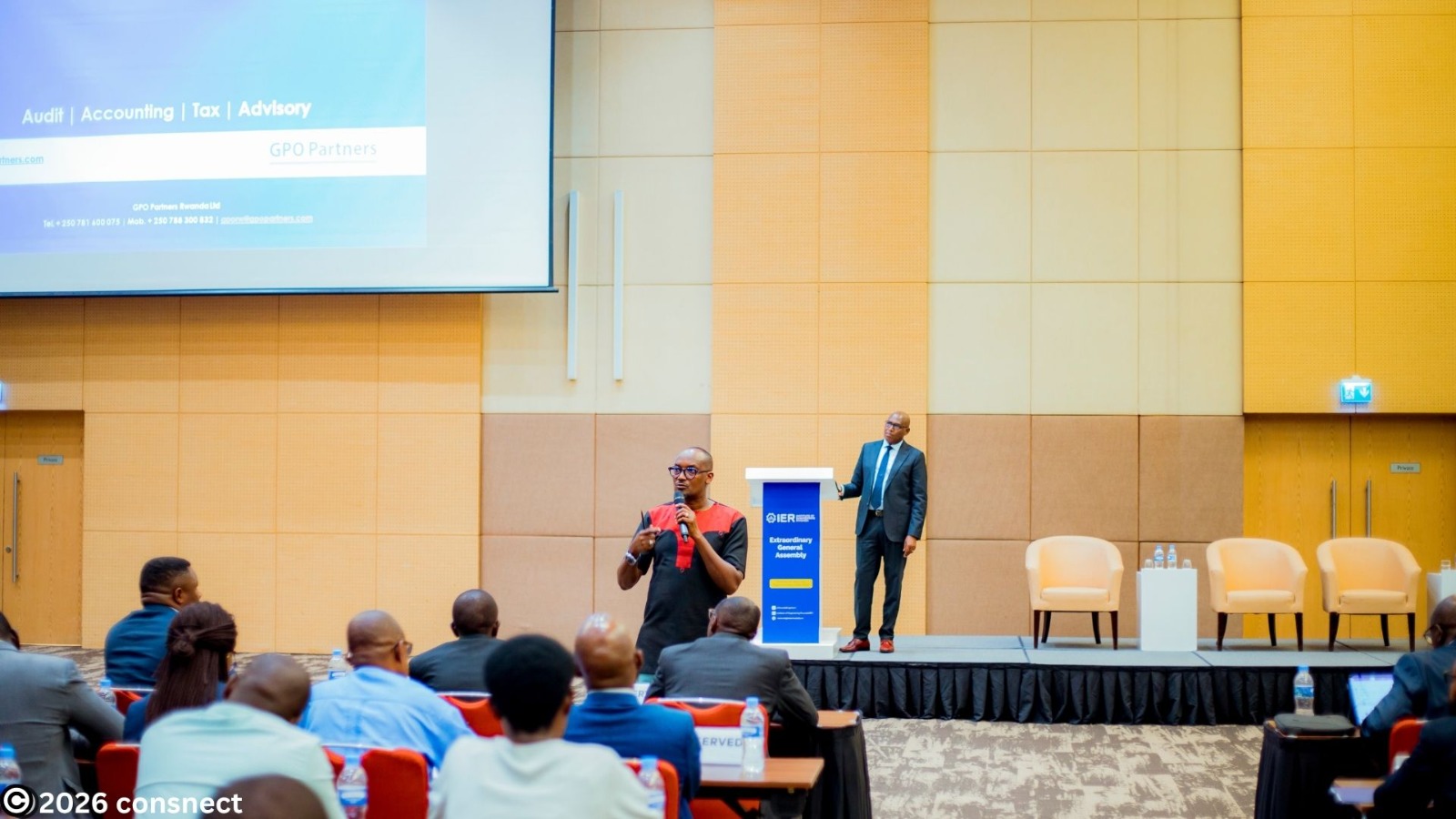
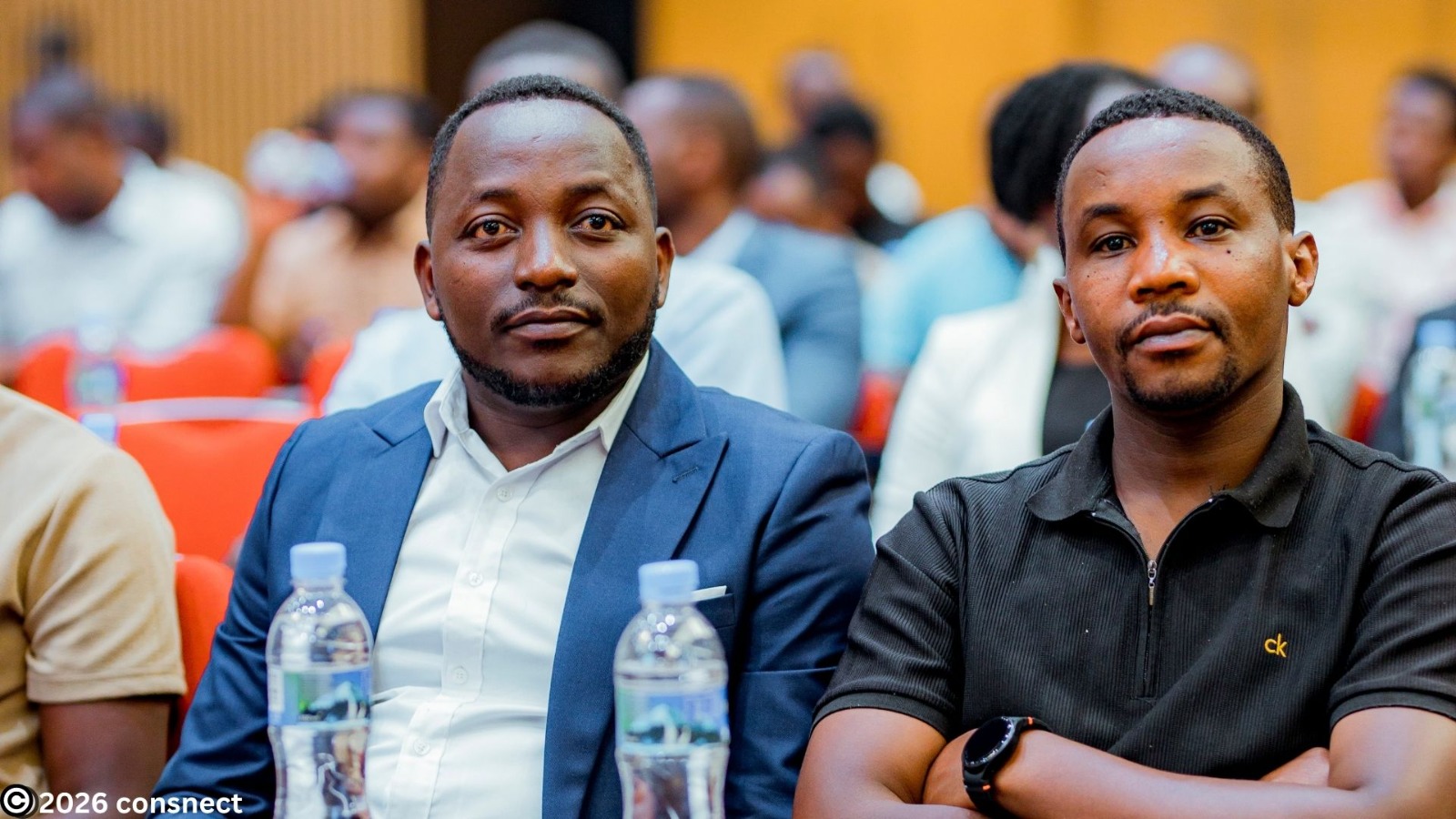
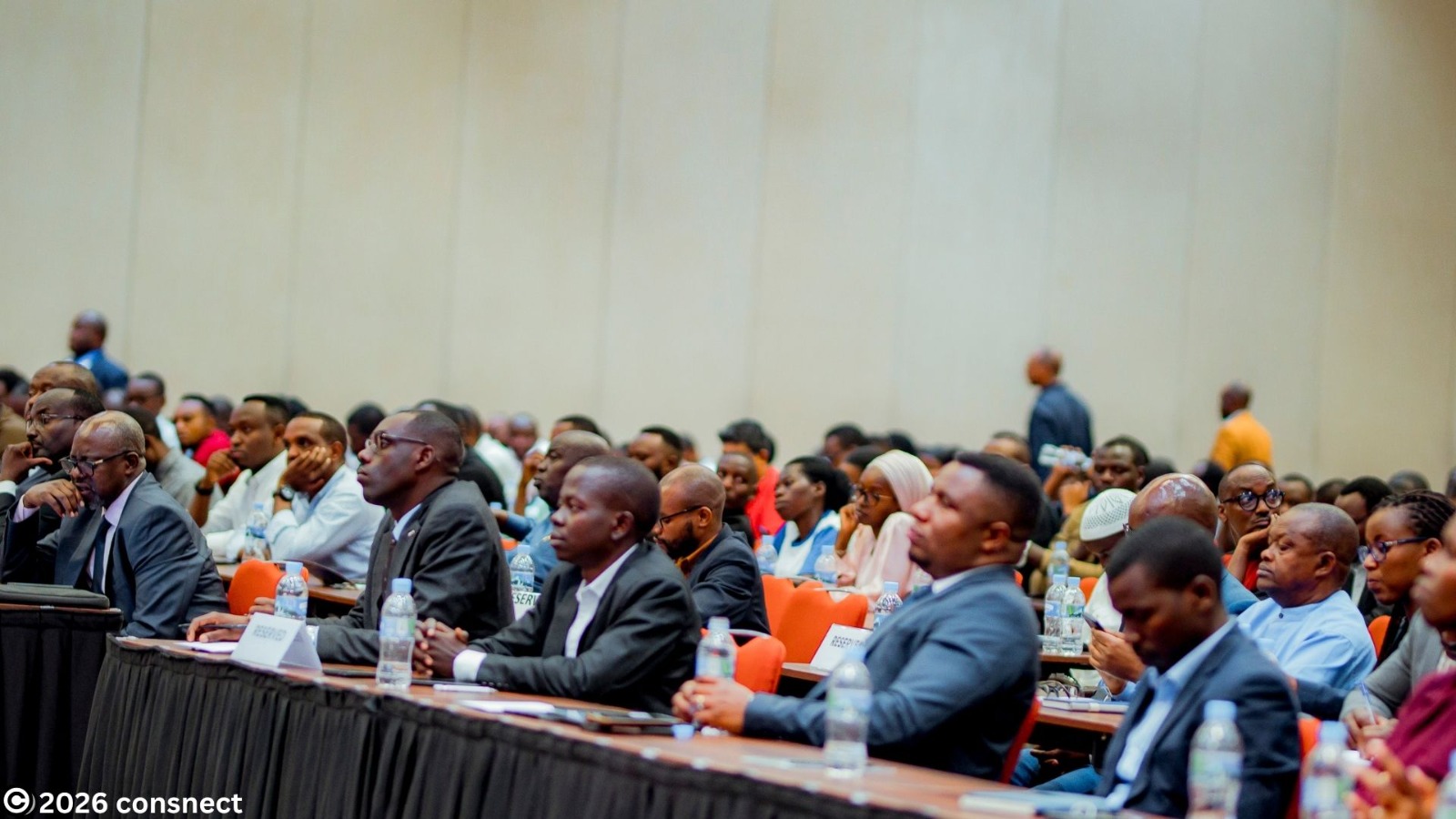
On Thursday, 30 March 2026, engineers from across Rwanda convened at the Kigali Convention Centre for the Annual General Meeting (AGM) of the Institute of Engineering Rwanda (IER). The high-level meeting brought together professionals from various engineering disciplines to review the 2025 financial year, conduct elections for new leadership, and discuss strategic priorities for the advancement of the engineering profession in Rwanda.
Ndagijimana Emmanuel
6 months ago
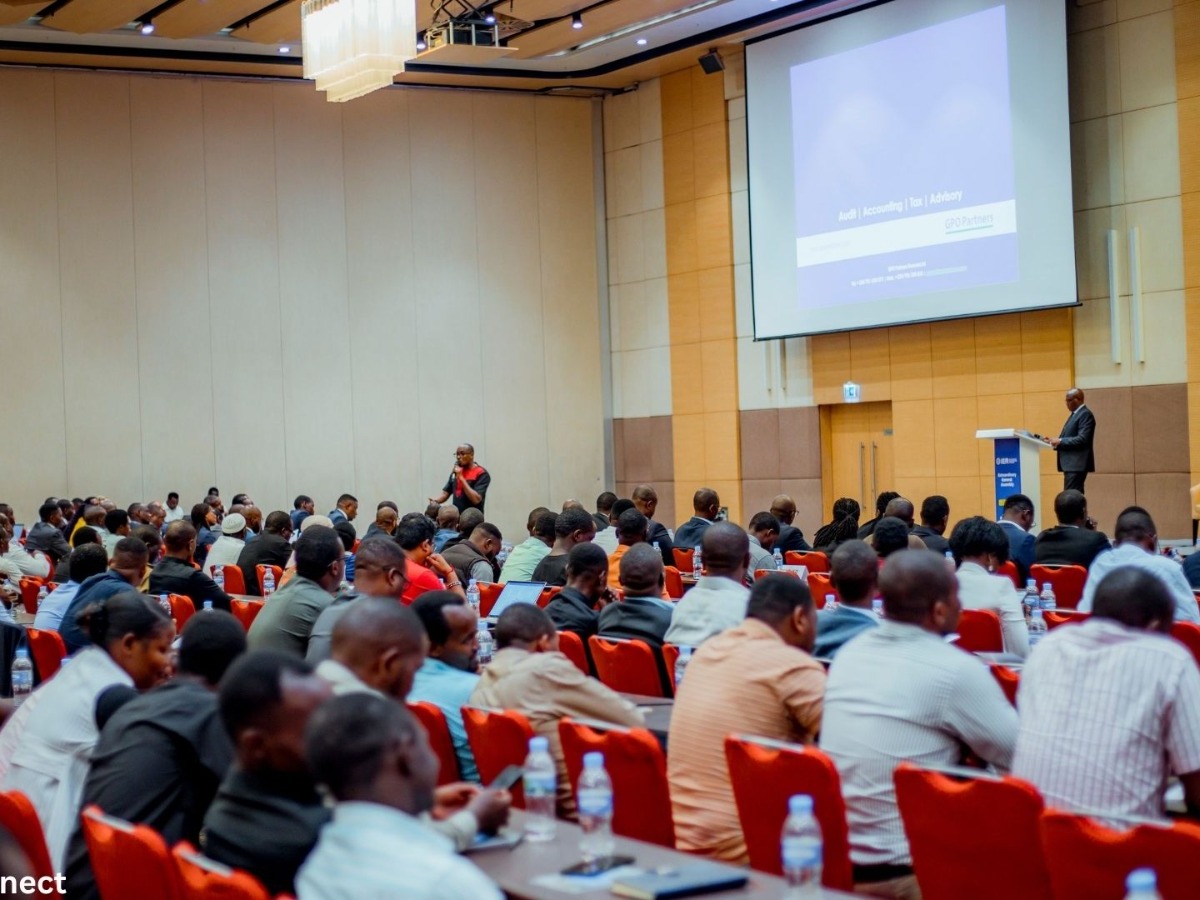
Opening Proceedings and Registration
The meeting commenced with the registration and verification of members, followed by the official opening session. Outgoing leadership presented a comprehensive financial report covering the fiscal year ending 31 December 2025. The report included key financial statements such as the statement of financial position, profit and loss account, cash flow statement, statement of changes in equity, as well as supporting documentation including invoices and receipts.
External Audit Findings
An external audit was conducted following five key phases: planning and mobilization, system review and documentation, substantive testing, review, and reporting. The audit revealed a growth in total assets, which increased to RWF 375,657,122 in 2025 from RWF 356,643,910 in 2024.
However, the final balance significantly declined to RWF 29,685,992 in 2025 compared to RWF 83,588,585 in the previous year. The auditors recommended the introduction of a doubtful debts policy to address emerging financial risks in future fiscal years.
Member Deliberations and Accountability Questions
During the interactive session, members raised several concerns regarding financial utilization. Engineer Mutabazi Emable questioned the rationale behind the expenditure of over RWF 200 million between 2024 and 2025.
In response, the leadership clarified that the expenditures were primarily allocated to administrative costs, government-related obligations, meetings, and institutional events.
Another member called for the development of a structured action plan outlining achievements and pending deliverables. The leadership responded that all activities were conducted within approved governance frameworks, noting that 2024 recorded significantly higher revenue due to a greater number of institutional events compared to 2025.
Electoral Process and Governance Transition
The AGM proceeded with the election of a new 12-member committee, including a seven-member executive board comprising the President, Vice President, and five additional members, as well as a five-member audit committee.
The election was conducted electronically, allowing members to vote remotely or on-site. Out of 1,567 eligible voters, 1,563 participated in the conference hall, while four members voted online. Voting was facilitated through a secure system requiring registration numbers, telephone numbers, and email verification via one-time passwords (OTP).
Campaign Presentations and Voting Rules
Each candidate was allocated two minutes to present their manifesto. Key themes across campaigns included transparency, accountability, establishment of a permanent institutional presence, improved integration of young engineers, inter-disciplinary collaboration across sectors such as water, energy, construction, and land surveying, structured action planning, enhanced member benefits, advocacy, and the introduction of a minimum wage framework for engineers.
The electoral guidelines stipulated that in the event of a tie between male and female candidates, preference would be given to the female candidate. In cases where candidates of the same gender tied, a random draw (tombola) would determine the winner.
Following presentations, voting commenced and results were announced two hours later, marking the successful election of new leadership from a pool of over 25 candidates.
Admission of New Members
In the afternoon session, new members were officially admitted into the Institute of Engineering Rwanda. The inductees took an oath to uphold the organization’s constitution, ethical standards, and professional regulations, reinforcing their commitment to advancing engineering practice in Rwanda
The AGM concluded with a renewed commitment to strengthening governance, improving financial accountability, and enhancing the professional development of engineers in Rwanda. The meeting underscored the Institute’s ambition to foster transparency, inclusiveness, and sustainable growth within the national engineering sector.

Sign in to share your thoughts and engage with the community