
C
CONSNECTLtd.
Loading
Get the latest construction industry insights and platform updates delivered to your inbox.
© 2026 Consnect. All rights reserved.
From the digital overhaul of building permits to the phased expansion of Kigali’s residential zones, Rwanda’s land sector has undergone a massive transformation over the past year. This article breaks down the 10 pivotal developments—including tax adjustments, environmental mandates, and the deployment of private surveyors—aimed at curbing informal settlements and fast-tracking sustainable urban growth.
Redempta
8 months ago
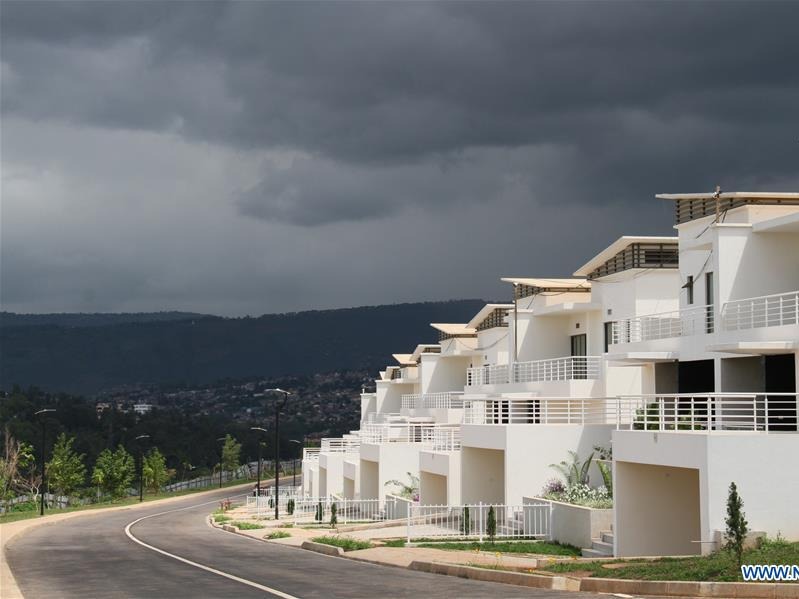
In a move to prevent "ghost neighborhoods," the City of Kigali is now approving residential sites in phases. With over 64,000 plots currently sitting idle, authorities are prioritizing the development of existing sites before opening new ones. This strategy also safeguards 22% of city land strictly for agricultural use.
Sustainable development isn't just for the capital. In late 2025, the Cabinet approved new land-use master plans for 11 districts across the Eastern, Southern, and Western Provinces, providing a clear roadmap for rural and urban integration.
Following some public friction, Kigali clarified its adjusted land tax rates. While some areas saw rates rise to Rwf 80 per square meter, the move is designed to harmonize revenue collection with the actual market value and infrastructure level of the land.
To ensure transparency and stop potential malpractices, the Ministry of Infrastructure has hit the "pause" button on conditional building permits. No new exceptions to zoning laws will be granted until a more rigorous, lawful framework is established.
Tired of waiting months for a surveyor? The National Land Authority (NLA) has deployed 100 private surveyors to clear a backlog of 55,000 applications. The goal is to process all pending subdivision and registration requests within a tight two-month window.
Rwanda has gone high-tech with a real-time land data dashboard. Updating every 24 hours, this platform allows the government to track ownership, land values, and usage trends instantly, ensuring that reality on the ground matches the national vision.
The days of visiting district offices for paperwork are fading. Three major services—first-time registration, succession (inheritance), and donation transfers—are now fully integrated into the Irembo platform, allowing citizens to bypass middle-men and apply directly.
To bring order to settlement development, the NLA harmonized infrastructure fees. Depending on the plot, landowners now pay between Rwf 200,000 and Rwf 450,000. These funds go directly toward roads, drainage, and professional studies, ensuring new neighborhoods don't turn into slums.
Climate resilience is no longer optional. New guidelines mandate that every settlement plan must include green spaces, playgrounds, and pedestrian paths. This "eco-friendly" focus aims to protect residents from disaster risks while improving the quality of life.
The launch of BPMIS 2.0 (the KUBAKA Portal) marks a new era for developers. This revamped system replaces the decade-old original, promising a faster, more transparent, and more user-friendly experience for securing building permits.
Sign in to share your thoughts and engage with the community