
C
CONSNECTLtd.
Loading
Get the latest construction industry insights and platform updates delivered to your inbox.
© 2026 Consnect. All rights reserved.
In a historic move toward energy sovereignty, Rwanda has announced a $5 billion investment in its first-ever nuclear power plant. Spearheaded by the Rwanda Atomic Energy Board (RAEB), the project is currently in the preparatory phase with a target commissioning date before 2030. This landmark infrastructure project aims to catalyze industrial growth, create hundreds of specialized jobs, and provide a stable, high-capacity power grid to support the nation’s rapidly expanding economy.
Redempta
8 months ago
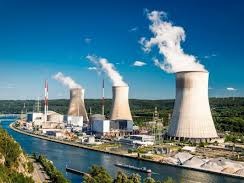
On February 24, 2026, Dr. Fidel Ndahayo of the Rwanda Atomic Energy Board officially signaled the start of a new chapter for the nation. With a projected investment exceeding $5 billion, this nuclear facility represents one of the most significant financial and technical undertakings in Rwandan history.
The project is not merely a proposal; it is a live initiative already entering its preparatory stages. By integrating nuclear power into the national grid, Rwanda joins an elite group of African nations seeking to harness atomic energy to solve the perennial challenge of industrial power demand.
The ripple effects of this investment are expected to be felt across the entire Rwandan economy. Key benefits include:
Industrial Catalyst: Large-scale energy production will provide the consistent, high-voltage power required for energy-intensive sectors such as cement, steel, and heavy construction.
Specialized Employment: The plant is slated to create 230 high-skilled positions, fostering a new generation of Rwandan nuclear engineers, technicians, and safety experts.
Energy Security: By diversifying the energy mix, Rwanda reduces its reliance on seasonal hydropower and imported fuels, ensuring long-term price stability.
Addressing the complexities of nuclear power, Dr. Ndahayo emphasized that advanced reactor technology is at the heart of the design. The facility will feature modern safety protocols, including:
Passive Safety Systems: Advanced reactors designed to enter a safe state automatically without human intervention.
Fail-Safe Shutdowns: Automated systems that trigger an immediate shutdown in the event of any technical malfunction.
With commissioning planned before the end of the decade, Rwanda is positioning itself as a regional hub for innovation and energy reliability. This $5 billion investment is more than a power plant; it is a foundational pillar for Vision 2050, ensuring that as Rwanda grows, its energy capacity grows with it.
Sign in to share your thoughts and engage with the community