C
CONSNECTLtd.
Loading
Get the latest construction industry insights and platform updates delivered to your inbox.
© 2026 Consnect. All rights reserved.
Once a quiet farming outpost, Masaka is undergoing a radical urban transformation. Anchored by the relocation of CHUK, the expansion of IRCAD Africa, and the new Magdi Yacoub Heart Centre, this sector is rapidly becoming a high-density "Medical City." For construction stakeholders, this evolution represents a blueprint for infrastructure-led growth, skyrocketing land values, and a booming market for specialized commercial and residential real estate.
Redempta
9 months ago
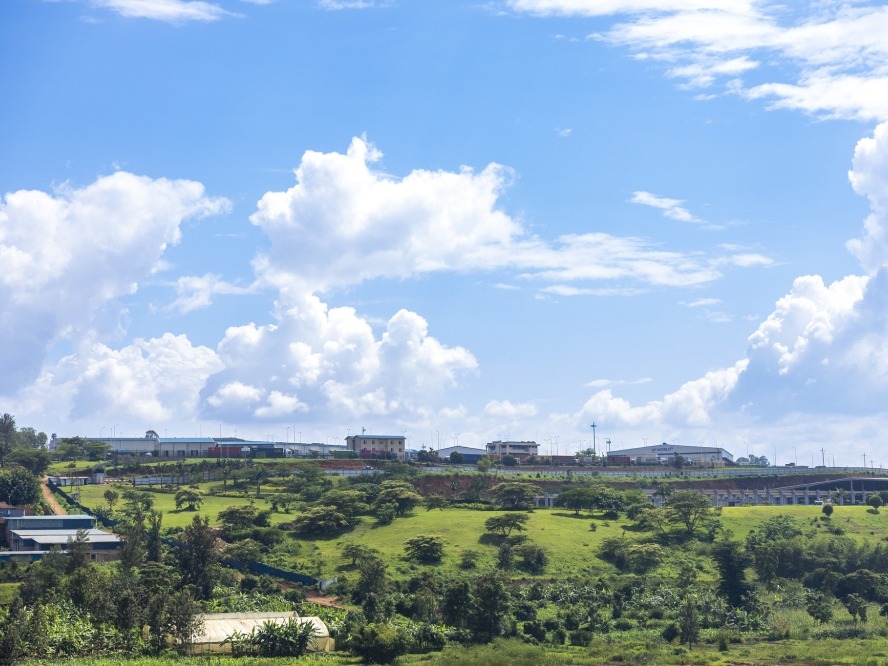
When you visit the Masaka sector in Kicukiro today, the change is impossible to miss. What was once the dusty edge of Kigali—dotted with eucalyptus trees and subsistence farms—now hums with the mechanical energy of a city in the making.
Masaka’s reinvention is not accidental; it is a masterclass in decentralized urban planning. The "Medical City" vision has triggered a chain reaction of infrastructure development:
CHUK Relocation: The University Teaching Hospital of Kigali is nearing completion (currently at 96%). This $85$ billion RWF project will more than double its current capacity to 837 beds, requiring sophisticated medical-grade fit-outs and specialized MEP (Mechanical, Electrical, and Plumbing) systems.
IRCAD Africa: Already operational, this center for minimally invasive surgery is attracting surgeons from across the continent, creating a niche demand for high-end hospitality and short-term professional housing.
Magdi Yacoub Heart Centre: Set for completion in 2026, this $20$ million facility adds another layer of technical complexity to the local construction landscape.
For developers, the financial shifts are staggering. Long-time residents like Pascal Buregeya (62) have watched land values leap from 500,000 RWF to over 30,000,000 RWF per plot.
Residential Boom: Projects like the Masaka Views Eco Estate ($25$ million) are breaking ground to meet the housing needs of doctors, nurses, and researchers.
Commercial Hubs: The DP World dry port and the influx of medical professionals have turned dirt tracks into vibrant commercial corridors lined with hardware depots and multi-story retail blocks.
As tarmac replaces red soil, the opportunities for the construction community are diverse:
Specialized Facilities: Demand for laboratories, pharmacies, and clinics that meet international healthcare standards.
Affordable Green Housing: As population density increases, "Build-to-Rent" models and EDGE-certified eco-estates are becoming the new gold standard.
Ancillary Infrastructure: The expansion of the Prince House–Giporoso–Masaka road into a four-lane highway with flyovers is currently underway to ease the transit of goods and people.
Masaka is no longer just a suburb; it is a destination. As the medical institutes reach full operational capacity in 2026, the demand for housing, services, and high-quality construction will only intensify. For those in the built environment, Masaka isn't just a site for projects—it is the future of Kigali’s urban expansion.
Sign in to share your thoughts and engage with the community